
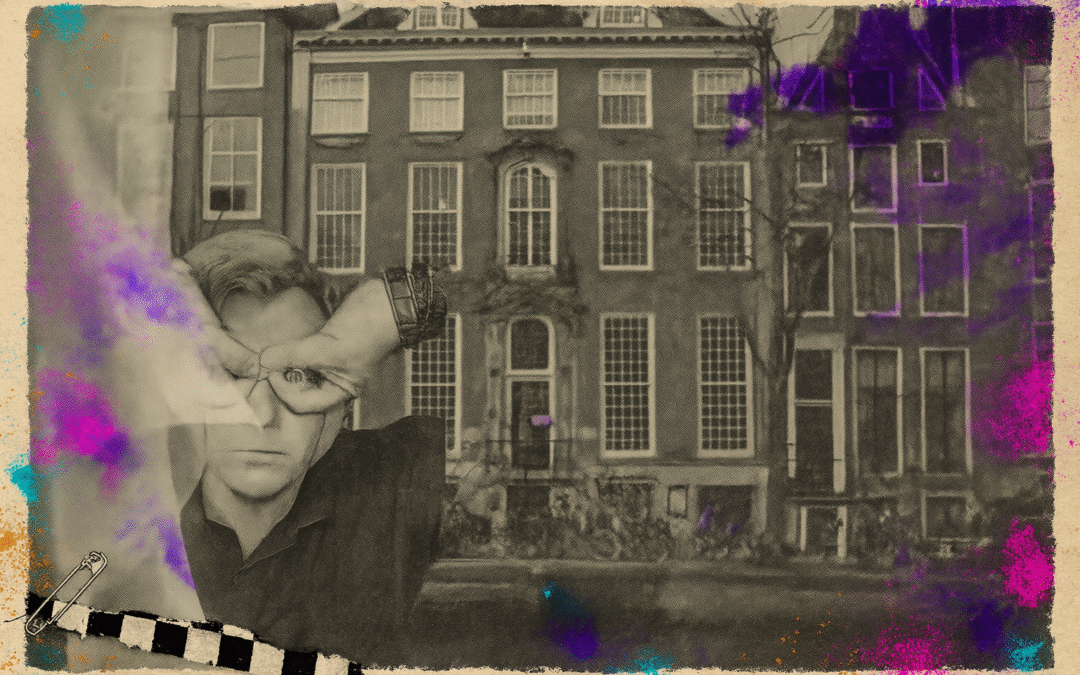
The Willet-Holthuysen House Museum, Amsterdam
Beautiful things linger — quietly, patiently, endlessly.
Amsterdam has it all.
Van Gogh. Rembrandt. Red lights. Green smoke.
But if you wander off the main routes,
away from the crowds and canalside selfies,
you find something quieter.
Something slower.
House museums.
One of them is the Willet-Holthuysen House Museum.
Once home to an Amsterdam mayor.
Later, to Louisa Holthuysen and her husband Abraham Willet — lovers of beauty, collectors of art.
They left us this house.
Fully furnished. Still alive.
Beautiful things, for those who still look for them.
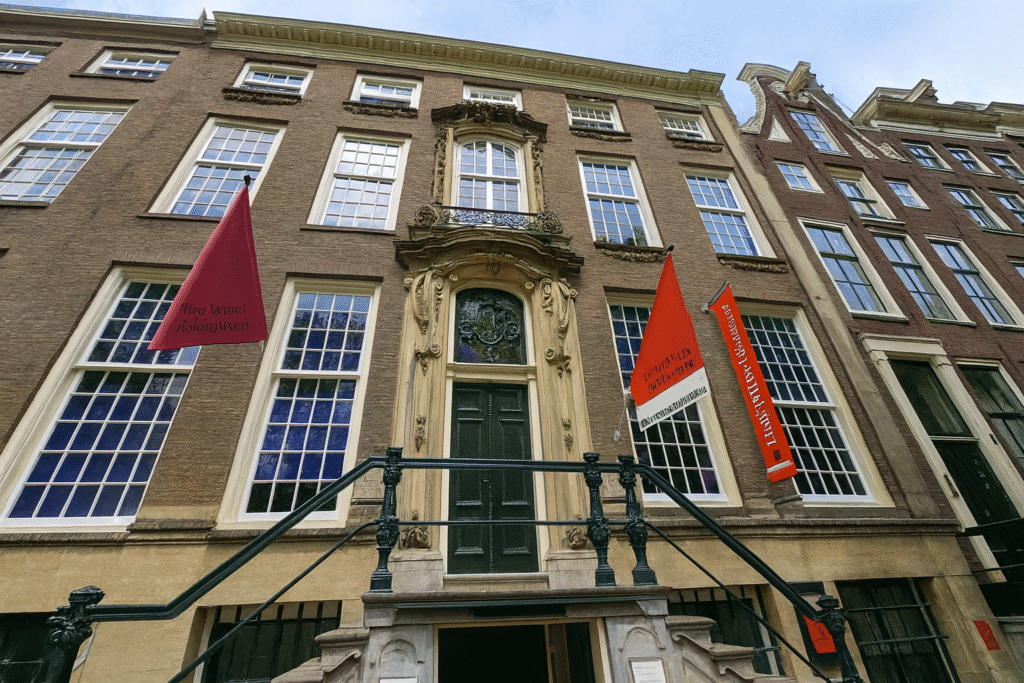
House Museum Willet-Holthuysen stands on the Herengracht canal,
in a grand 17th-century mansion
showcasing upper-class city life across three centuries.
Step inside and time folds:
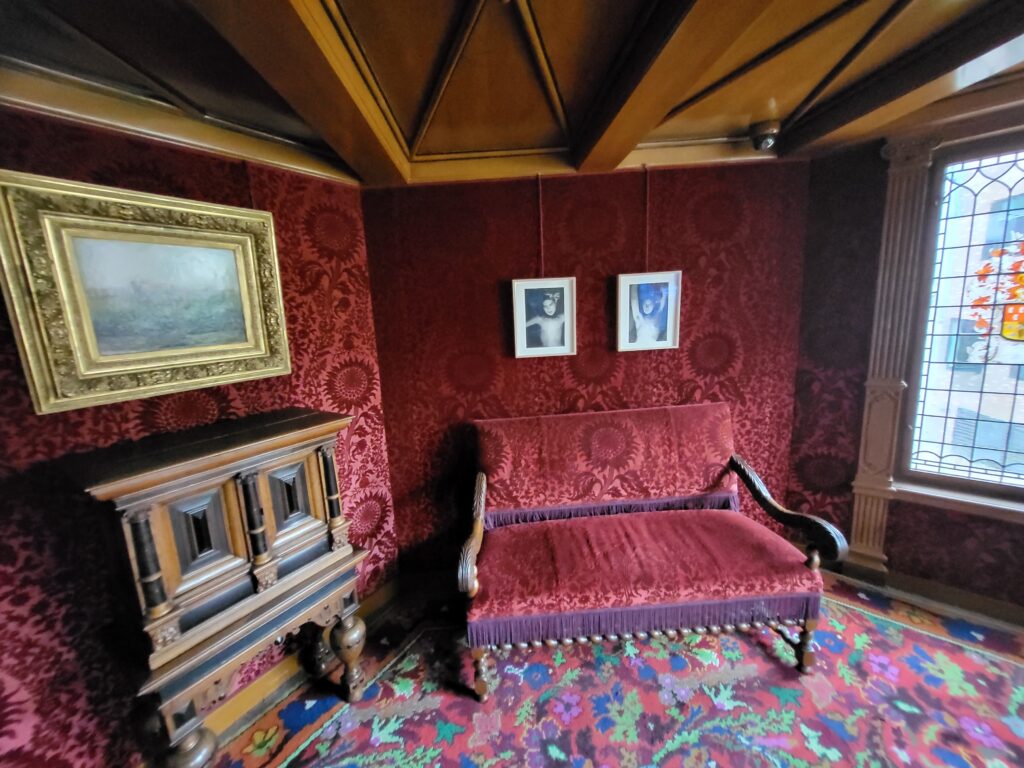
a perfectly restored 18th-century garden,
a dazzling Louis XVI ballroom,
elegant salons for the lord and lady of the house,
a kitchen below where staff once stirred and scrubbed and whispered.
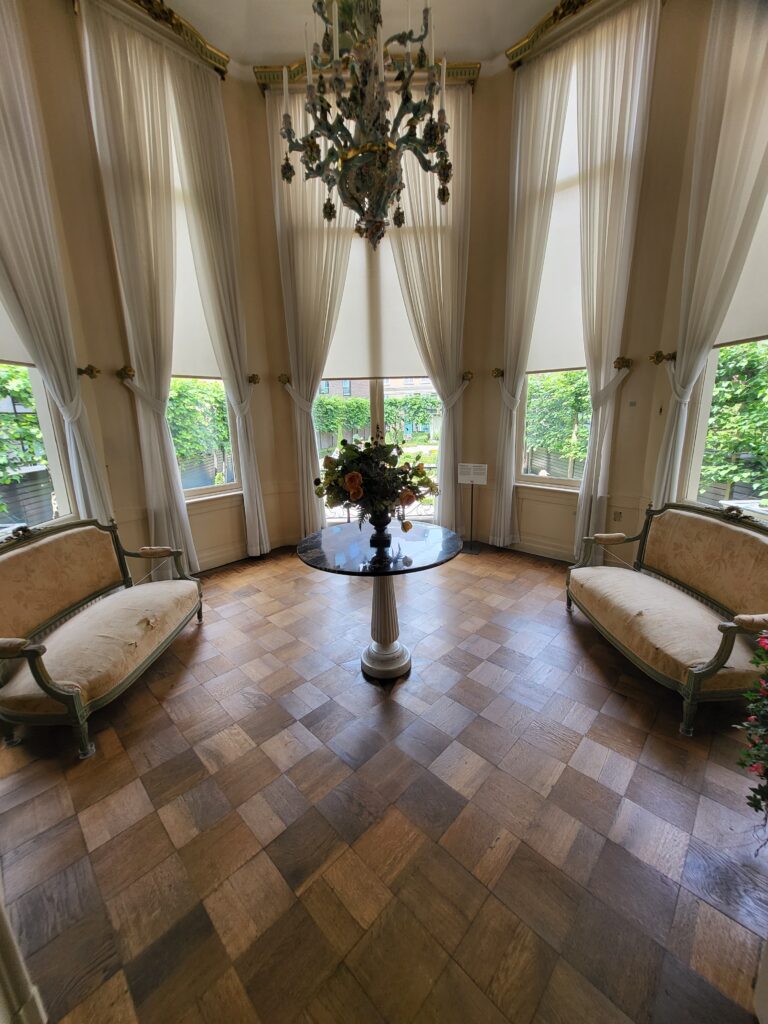
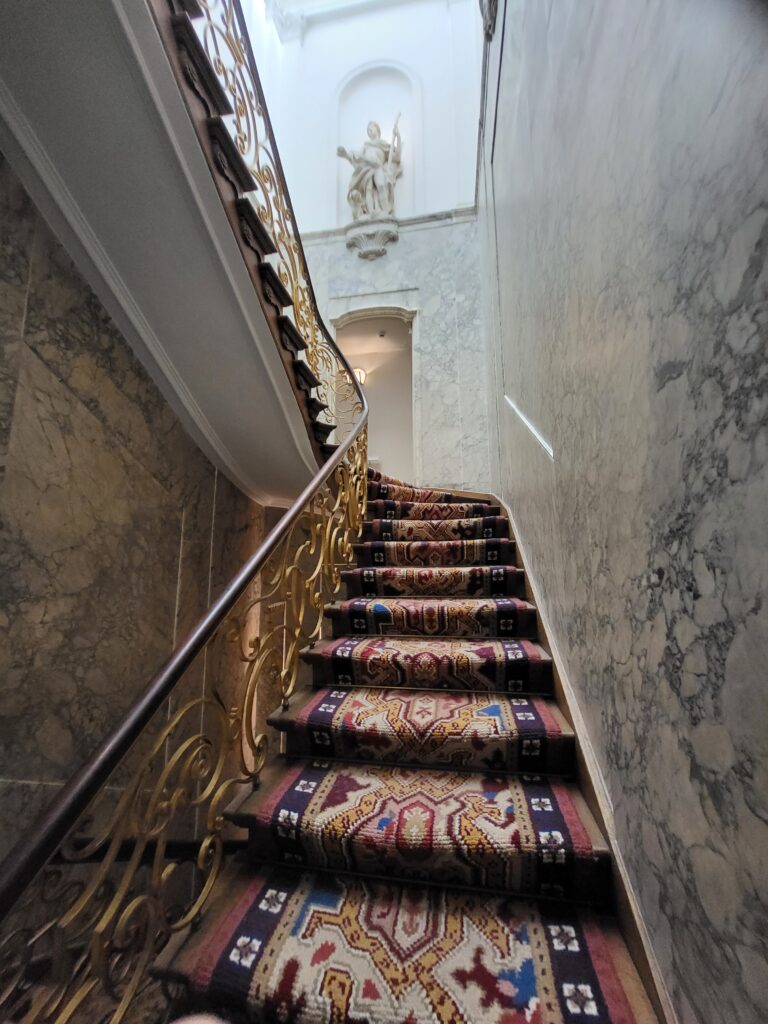
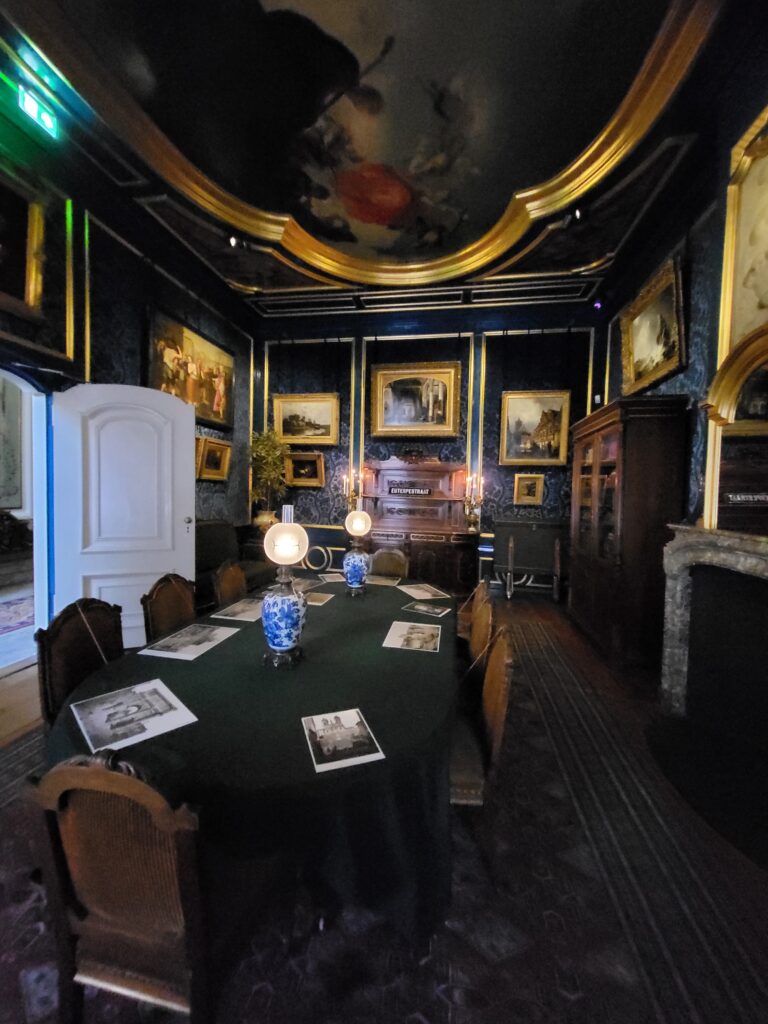
But this time, it wasn’t the wallpaper or porcelain that stayed with me.
It was something newer. Something softer.

Every six months, a contemporary artist is invited to show work in conversation with the house.
When I visited, the house was hosting She Who Saw Beautiful Things,
a layered, tender exhibition by one of my longtime heroes: ANOHNI.
The show was built around portraits of Julia Yasuda, taken by her wife Erika Yasuda in Tokyo in the early 1980s.
Delicate, intimate, loving.
Photographs that whisper rather than shout.
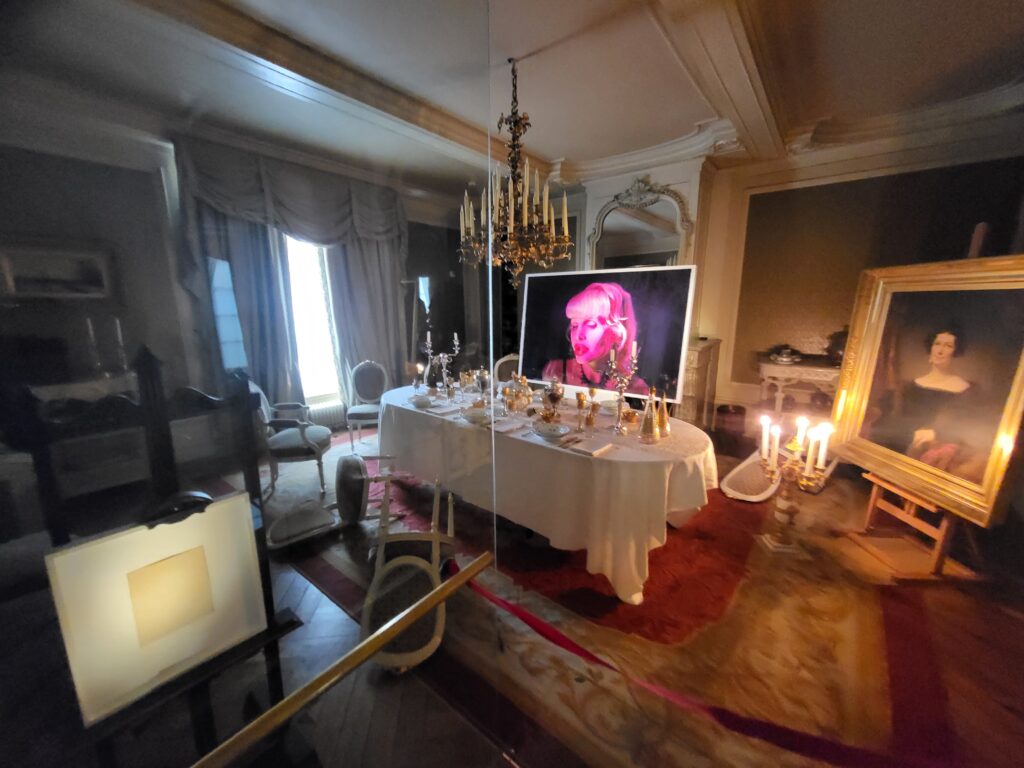
ANOHI layers in her own materials — silkscreened veils, videos, sound.
The effect is tender, powerful, and haunting.
A queer, ethereal feminine presence
woven into this house of power, silver, and empire.
Subtle, but electric.
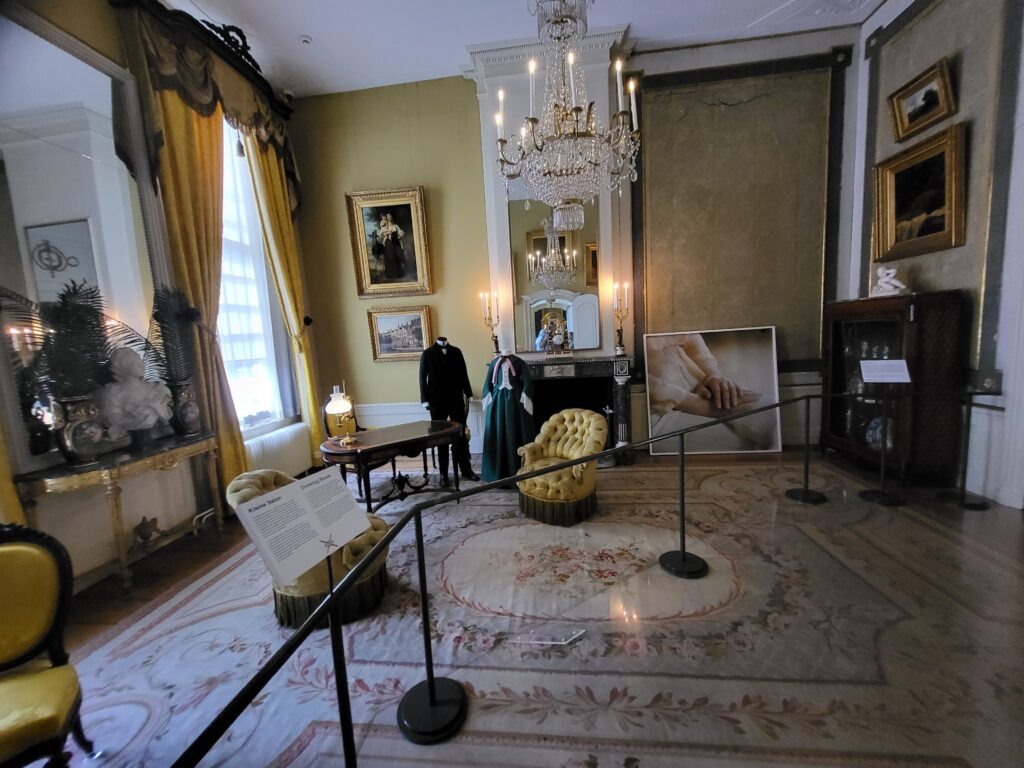
Beautiful things, scattered through time.
And then — something even more unexpected.
We were by the lockers, stashing our backpacks.
And there she was.
The artist. The singer. The presence.
Dare I say — the rock star.
(Though I bet she’d roll her eyes at that.)
ANOHNI.
Not in a spotlight. No makeup. No stage.
Just passing through her own exhibition —
quietly, gently —
like one of the veils she works with.
We nodded. Silently.
I didn’t say a word.
You’re not supposed to meet your heroes.
You’re supposed to feel them.
I’ve been a fan since the days of Antony and the Johnsons,
since her voice floated over Lou Reed’s concerts like a prayer.
Lou once said he could never sing Candy Says
the way she did —
so he handed her the mic.
She made it beautifuly.
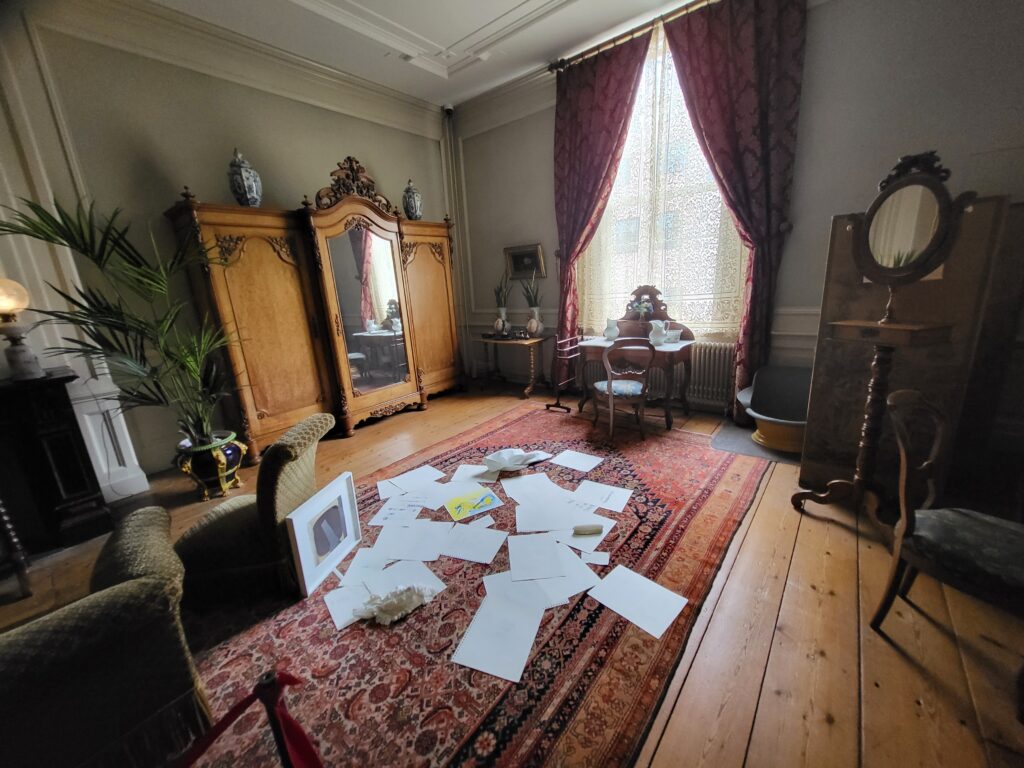
Final thought
There’s something that happens in house museums —
especially the ones bold enough to invite the present into the past.
You walk through centuries-old rooms
and suddenly you’re face to face with something utterly now.
It doesn’t shatter the illusion.
It gives it a pulse.
Because beauty isn’t stuck in time.
It just waits for the right room.
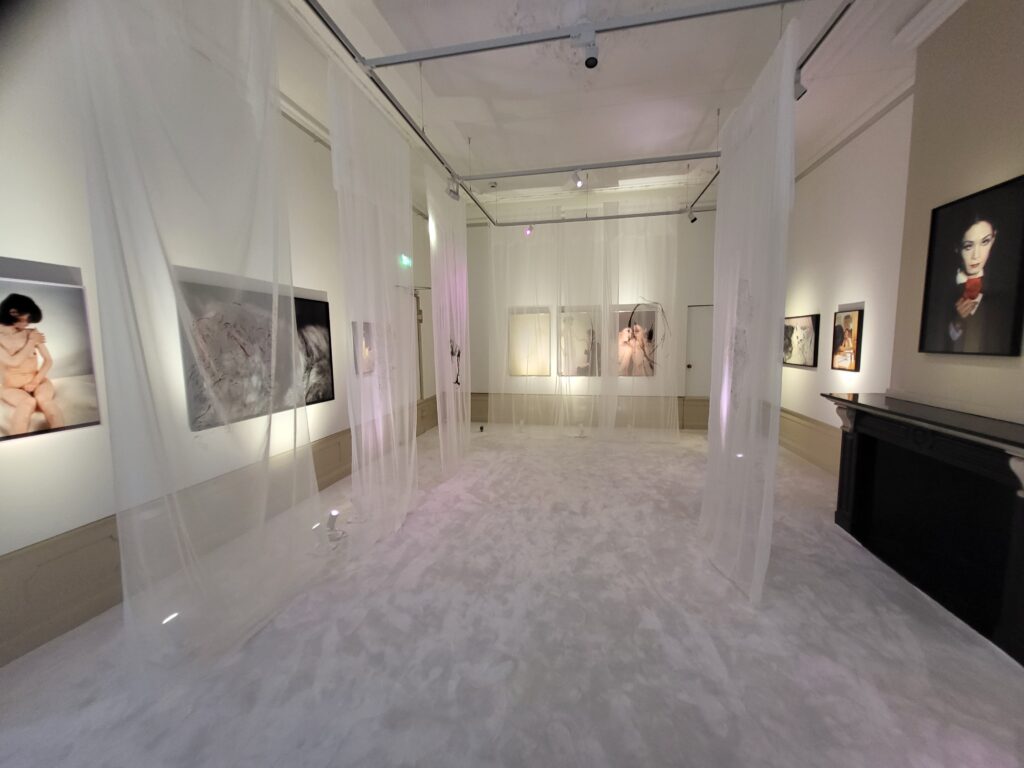
Object highlight
A white room, fully contemporary.
Soft carpet underfoot, like grass in a dream.
Photographs behind sheer fabric.
Cats. Lovers. Light.
Like walking into someone’s soul — barefoot.
Soundtrack: Anthony and the Johnsons – For Today I Am a Boy
One day I’ll grow up, I’ll be a beautiful woman…
But for today I am a child, for today I am a boy.
Because beauty grows quietly.
Because sometimes, the most radical thing a house museum can do —
is let itself be free.
Not just to preserve the past.
But to help the future bloom.
More Information on The Willet-Holthuysen House, Amsterdam
Official website: The Willet-Holthuysen House Museum, Amsterdam – Museum Willet-Holthuysen
Photos: Matjaž Koman / House Museum Nerd
Text: Matjaž Koman / House Museum Nerd
This post is part of the Ultimate House Museum Guide for Nerds – a personal project exploring the beauty, strangeness and magic of house museums around the world.