

Prešeren Birth House, Vrba, Slovenia
Sometimes a house is not a museum. It’s a manifesto.
You don’t end up in Vrba by accident.
You go there because you must.
And once you’re standing in front of Prešeren’s birth house, it’s no longer just a dot on a heritage map.
It feels like a beginning. Like a heartbeat echoing through language, history, and quiet pride.
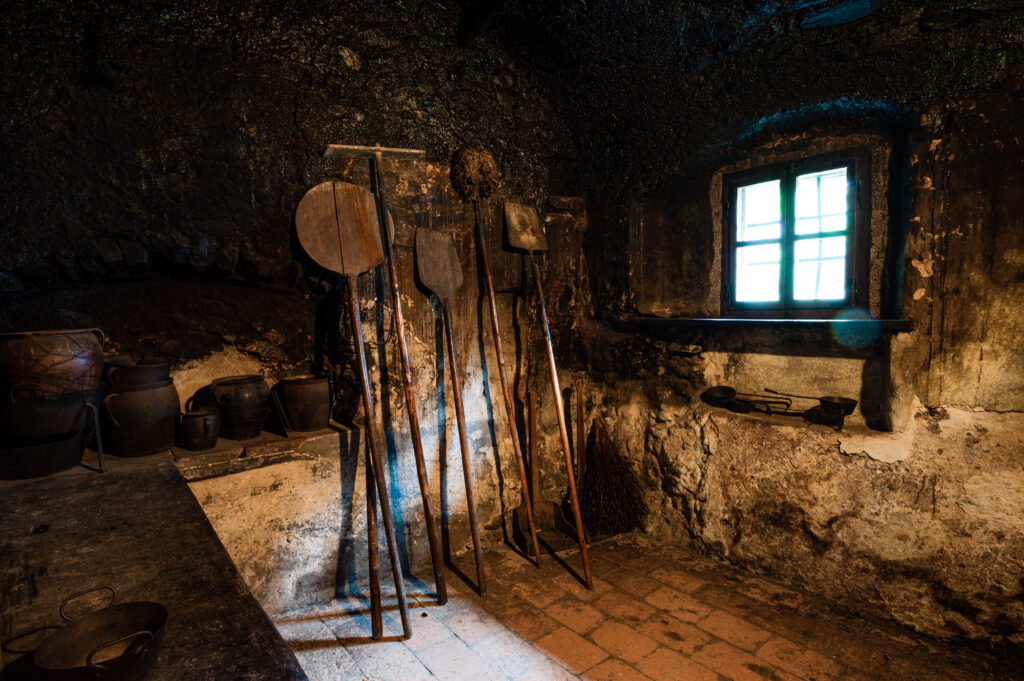
The house is modest. Thick walls, low windows, a black smoke kitchen and a few small rooms.
But under that roof, something powerful began.
France Prešeren – the poet who transformed inner pain into a national poetics – was born here.
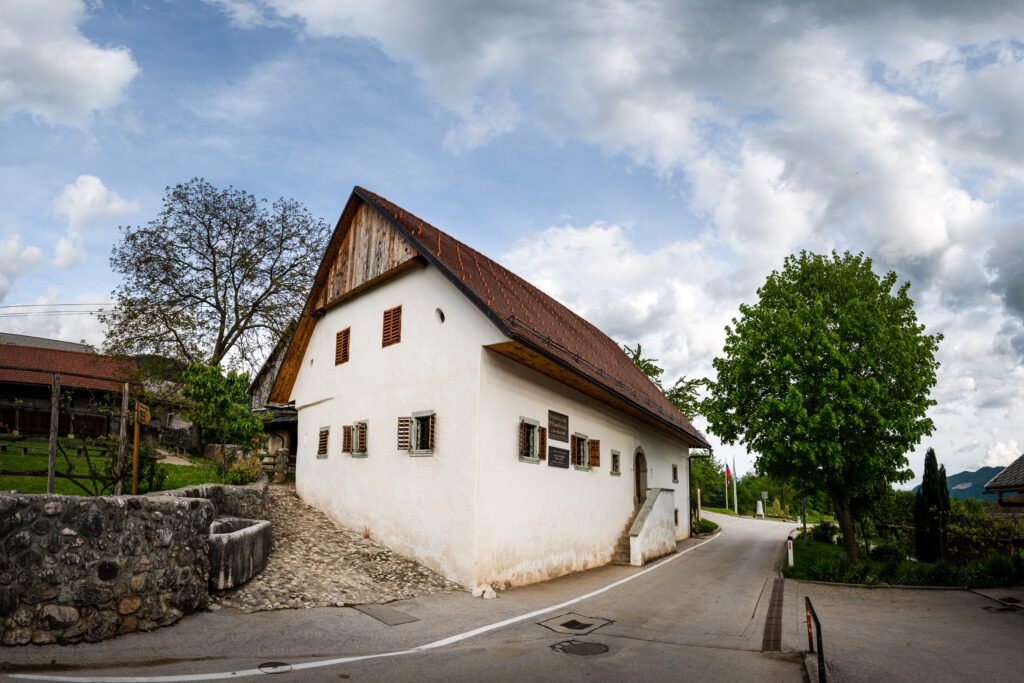
This house it’s not just a memorial.
It’s a cultural statement.
The first house in Slovenia that was transformed into museum – Slovenia’s first house museum -dedicated to a national figure.
It wasn’t founded by policy alone – but by a shared cultural instinct, amplified by the people who felt this house mattered.
Politics played its part, as it always does in museums.
But the first impulse came from memory, pride, and a deep awareness of national identity.

The house was officially opened as a museum in 1939.
The initiative to purchase and preserve Prešeren’s birth house began nearly a century after the poet’s death, led by Fran Saleški Finžgar and supported by a wide public campaign.
This initiative is now seen as Slovenia’s first structured example of bottom-up heritage activism, a precursor to the participatory heritage models we talk about in heritology today.
The house was rebuilt after a fire in 1856, so it’s not fully original – but the atmosphere remains.
Feel the quiet tension in the walls that once surrounded a young France Prešeren.
Perhaps he once stared up from his cradle at the heavy beams above.
Was the seed of O Vrba already forming?

The house was declared a cultural monument of national importance in 2011.
Today, it remains the most visited house museum in the country.
Sometimes I think Prešeren would have preferred the house to stay silent.
But today, it’s filled with visitors, words, whispers.
And that’s okay.
Because heritage doesn’t live in display cases.
It lives in reactions.
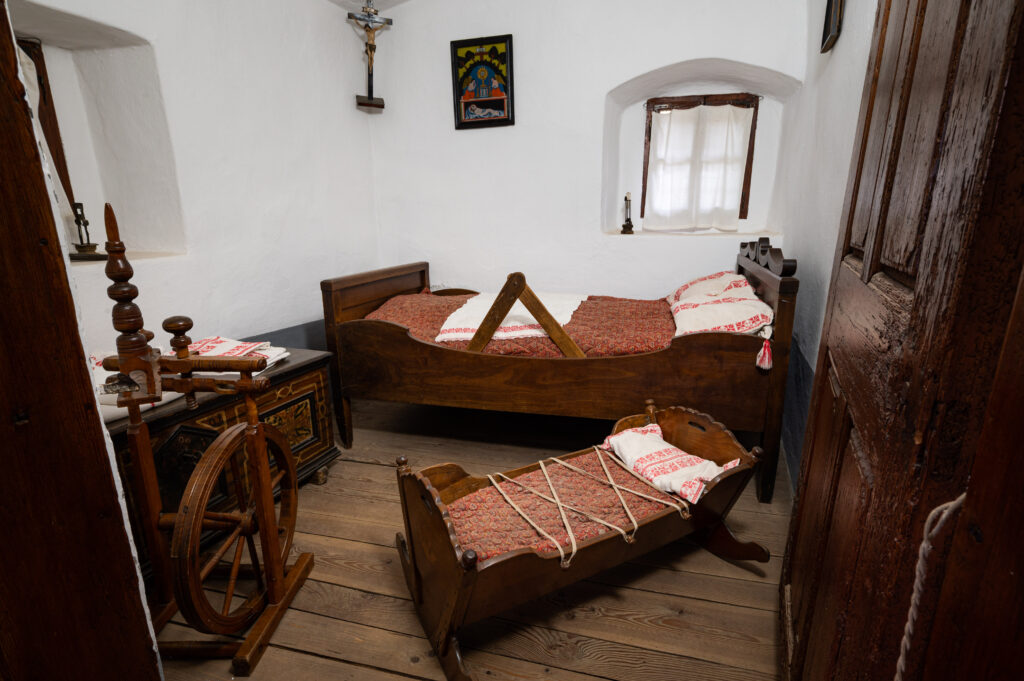
Object highlight: Prešeren’s cradle
Among the very few original artifacts preserved in Prešeren’s birth house is his actual cradle.
Simple, wooden, modest in design – but louder than any quote on the walls.
It wasn’t just a place to sleep.
It was the starting point of the greatest Slovenian poet’s life.
A place where France first sensed light, warmth, space.
Today, it rests quietly in the corner of the house – but it still sings the opening verse of something much bigger.
Seeing it makes you realize: this is where Slovenian poetry was born.
Final thought:
Sometimes, you come to Vrba not to learn something new –
but to remember something old.
Something buried in language, in silence, in rhythm.
You stand still in a room.
The light is soft. The beams are heavy.
And suddenly, you feel it.
A pulse beneath the floor.
A sentence forming in your chest.
Not a museum.
Not a house.
A home.

Soundtrack: Aleksander Mežek – Tu sem doma
This is my home. Here, where the sky turns to gold. This is my home. Where the song is born again.
Just like Aleksander, who returned to Žirovnica from London with a guitar and a lifetime of stories,
France Prešeren never truly left Vrba – even if he returned only a few times.
He carried it in verses.
Like inspiration.
And maybe that’s all heritage really is –
a song that remembers where it came from.
More Information on Preseren Birth House Vrba
Official website: Preseren Birth House in Vrba – Prešernova rojstna hiša v Vrbi
Photos: Aleš Košir
Text: Matjaž Koman / House Museum Nerd
This post is part of the Ultimate House Museum Guide for Nerds – a personal project exploring the beauty, strangeness and magic of house museums around the world.