

Plecnik House, Ljubljana, Slovenia
Where fences don’t divide, but invite.
Some house museums feel curated.
Plečnik’s house feels… paused.
Like the architect just stepped out for a cigarette.
And might return at any moment.
Ljubljana has its share of house museums.
But this one is different.
This is the home of Jože Plečnik — Slovenia’s greatest architect.
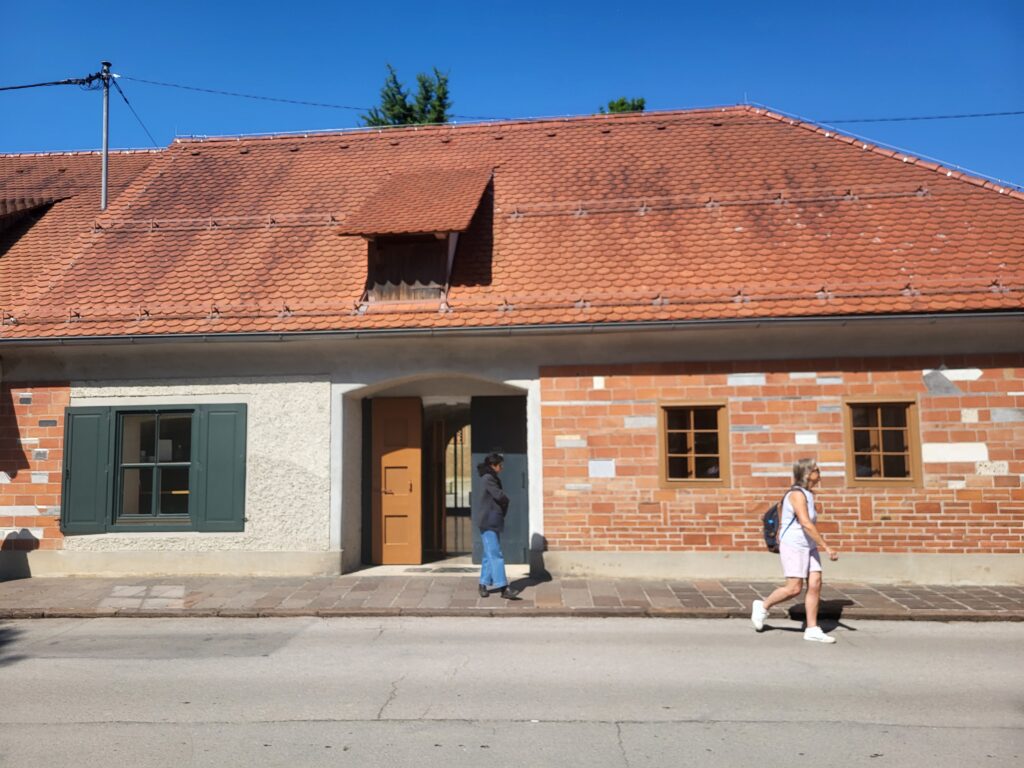
A genius. A mystic. A man who saw cities as sacred spaces.
He lived here for decades, worked here, dreamed here.
In the very city he helped shape.
And this house — tucked behind a quiet church in Trnovo — holds the soul of it all.
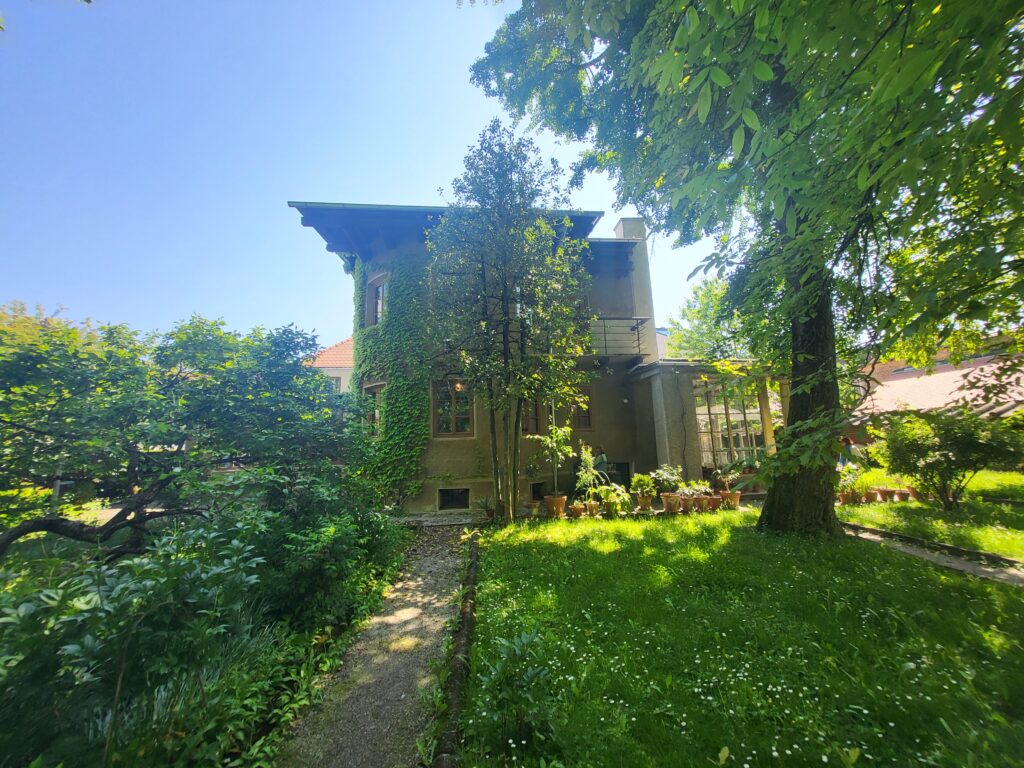
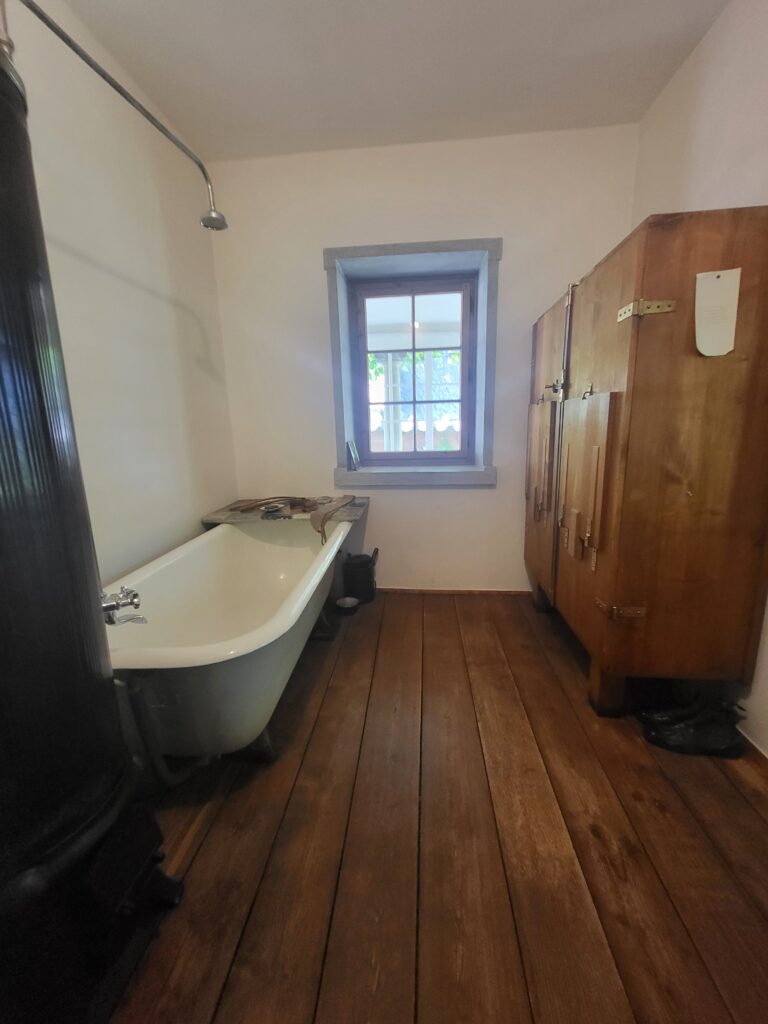
Everything is still in place.
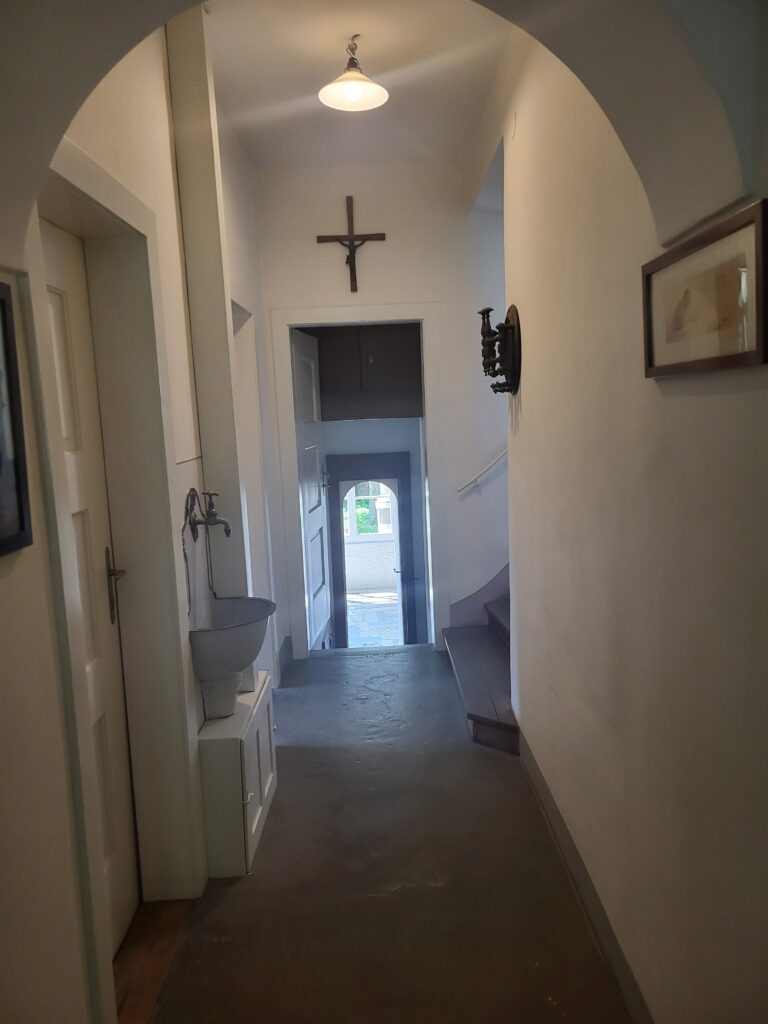
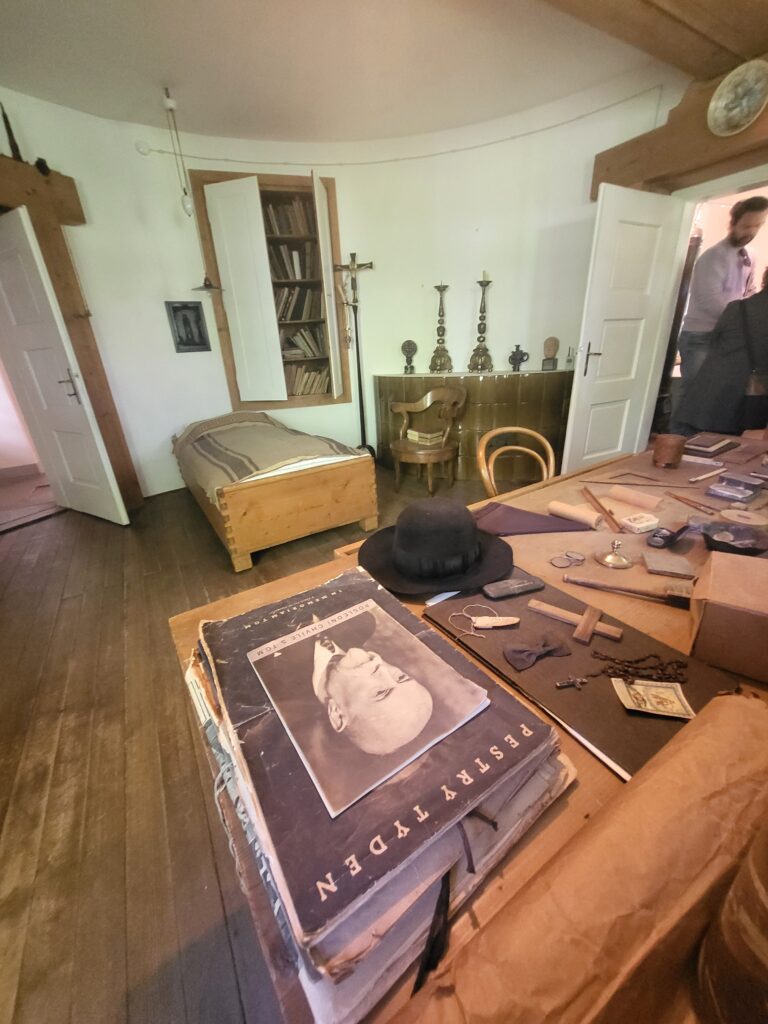
The hallway. The kitchen. The tower studio with windows looking out on the garden.
You don’t wander freely here.
You’re taken through by a guide, on the hour.
Quietly. Respectfully.
As if Plečnik were still home.
And in some way, he is.
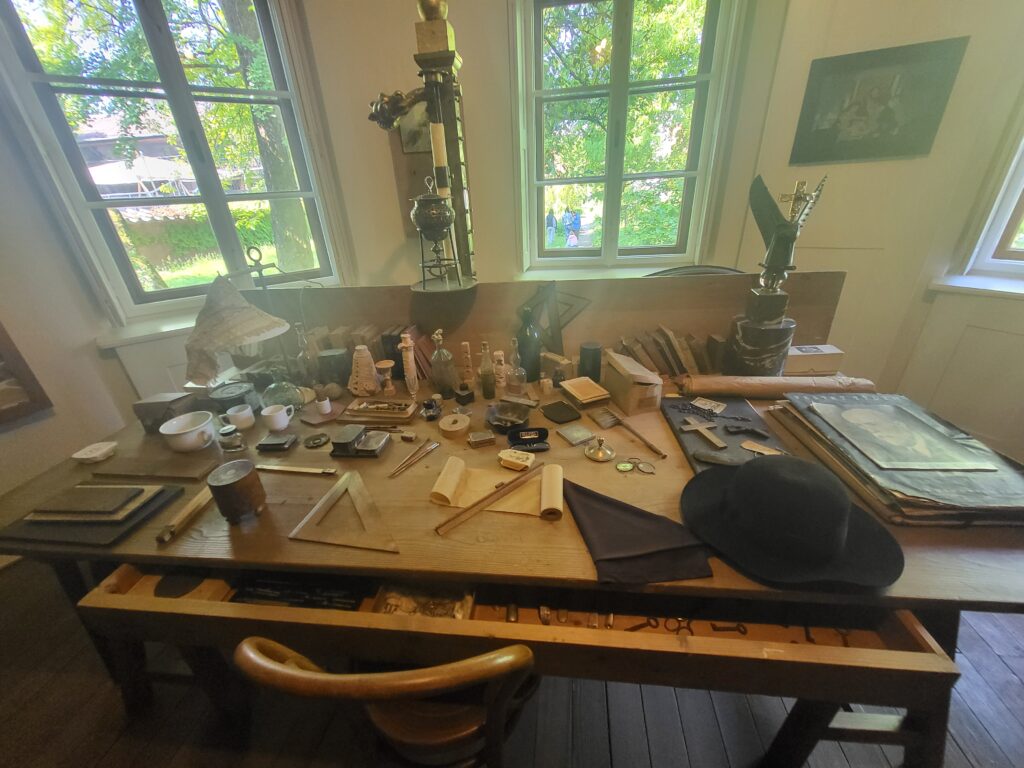
His working table still holds scattered models.
His drawings are close at hand.
The light feels old — soft, golden, timeless.
Nothing screams “exhibit.”
It just is.
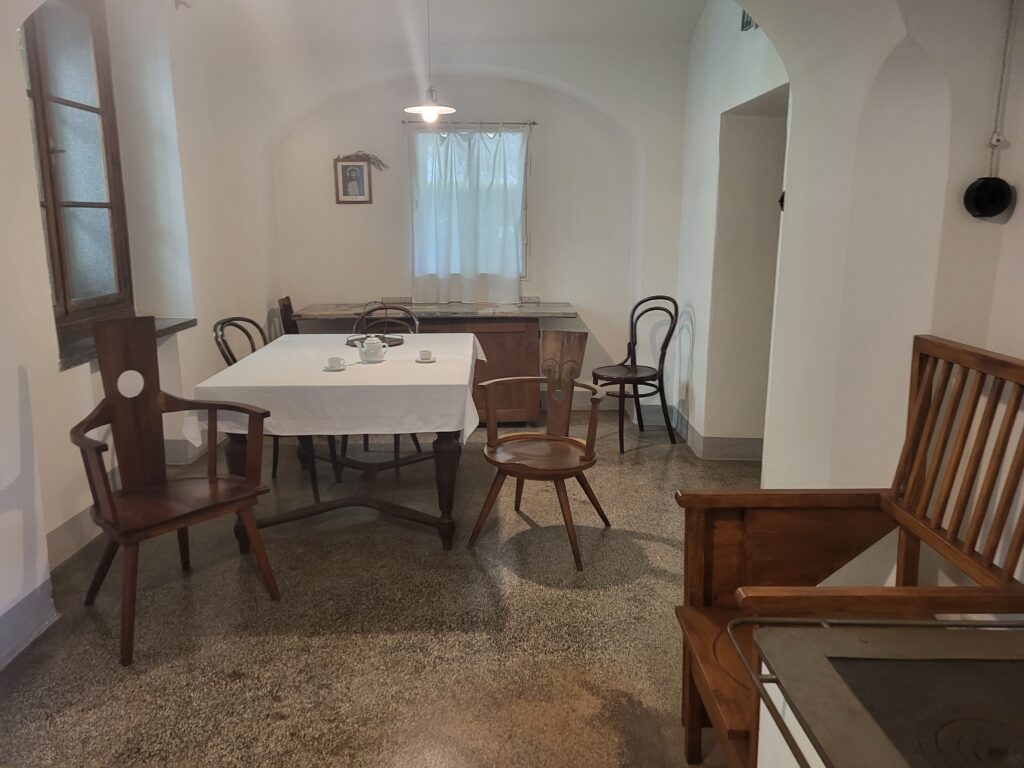
The house feels so authentic it almost doesn’t feel like a museum.
It’s a preserved memory.
A place where time sits still and exhales.
In museology terms, this would be called a documentary house museum, according to Butcher-Younghans.
But that sounds sterile.
This place is anything but.
It breathes.
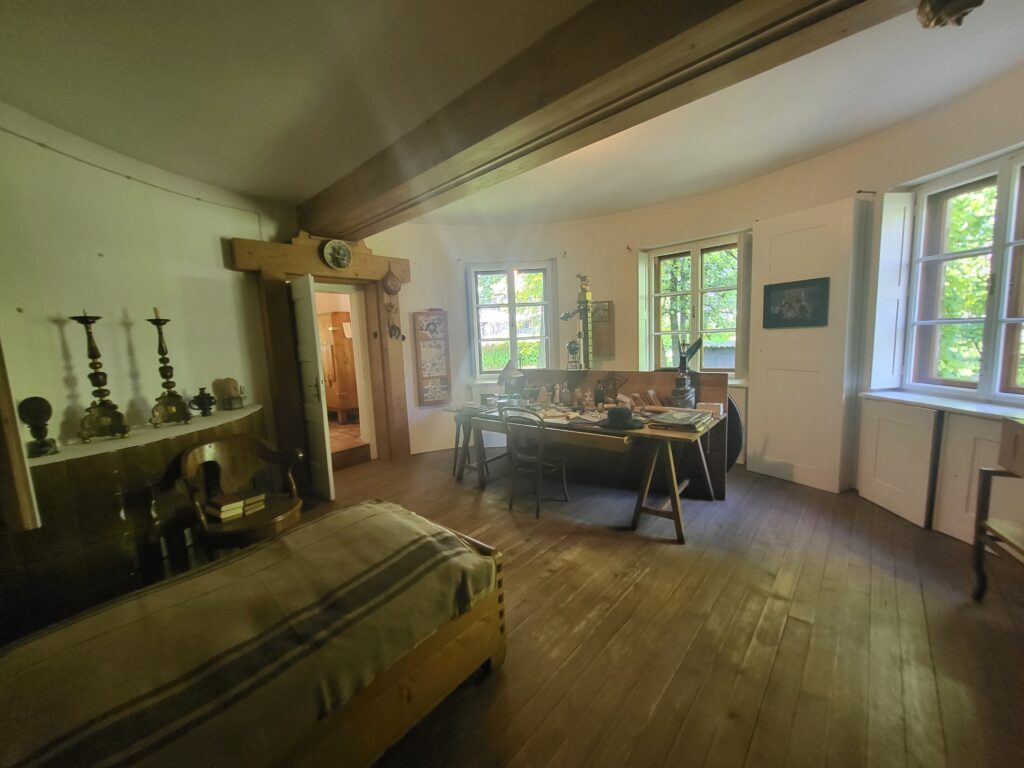
Plečnik didn’t like comfort — his chairs are intentionally a bit hard.
So he wouldn’t fall asleep while working.
He believed good workers deserved good pay.
He avoided cars and loved walking.
He drank Turkish coffee. Smoked Drava cigarettes.
Designed everything down to the tiniest knob or light fixture.
He lived modestly.
Worked endlessly.
And only let true friends inside.
One of those friends was the writer Fran Saleški Finžgar — author of Under the Free Sun, and also the priest next door.
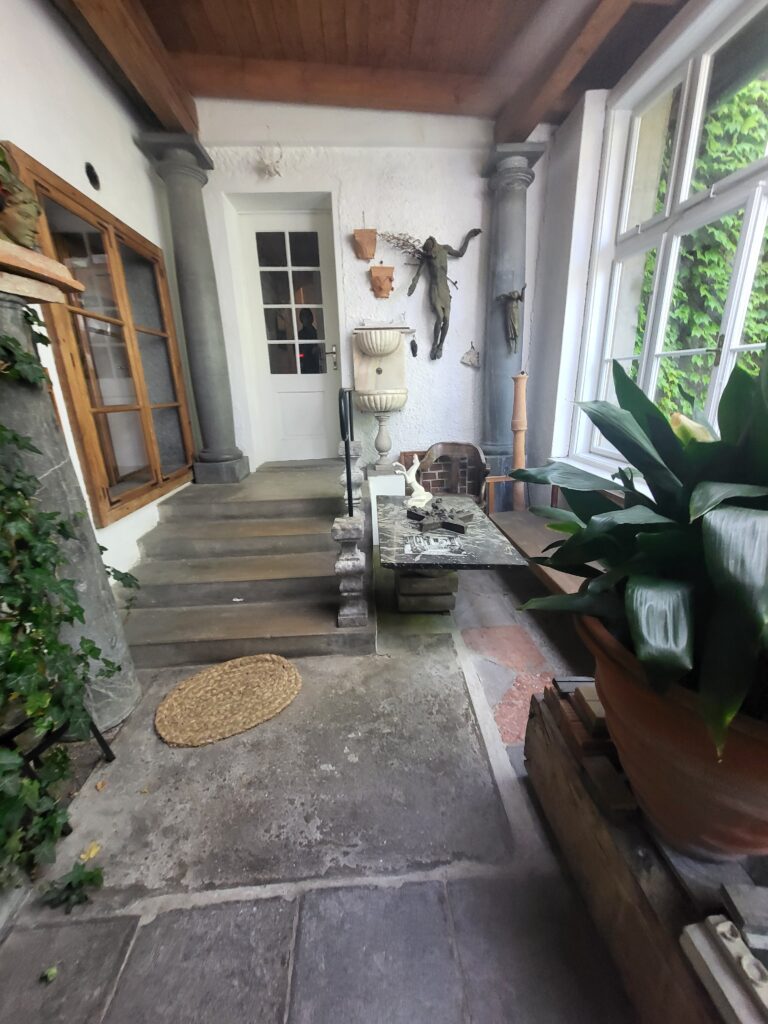
Literally next door: their gardens touched.
They removed the fence and planted shrubs instead.
“Between good neighbors, there’s no need for fences,” said Plečnik.
Together, they even helped transform another house — the birthplace of France Prešeren — into Slovenia’s first house museum.
A small world.
A good one.
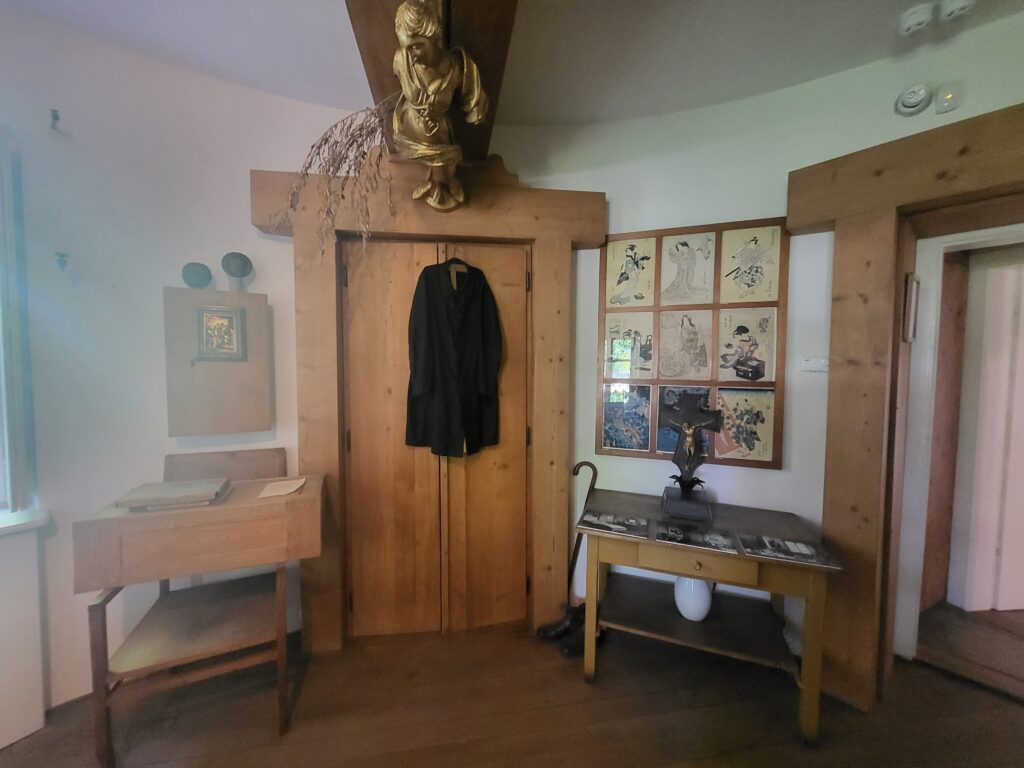
Today, Plecnik house Ljubljana still feels personal.
Intimate.
You hear the creak of the floor.
Smell the wood.
Imagine him working late into the night under the glow of his own handmade lamps.
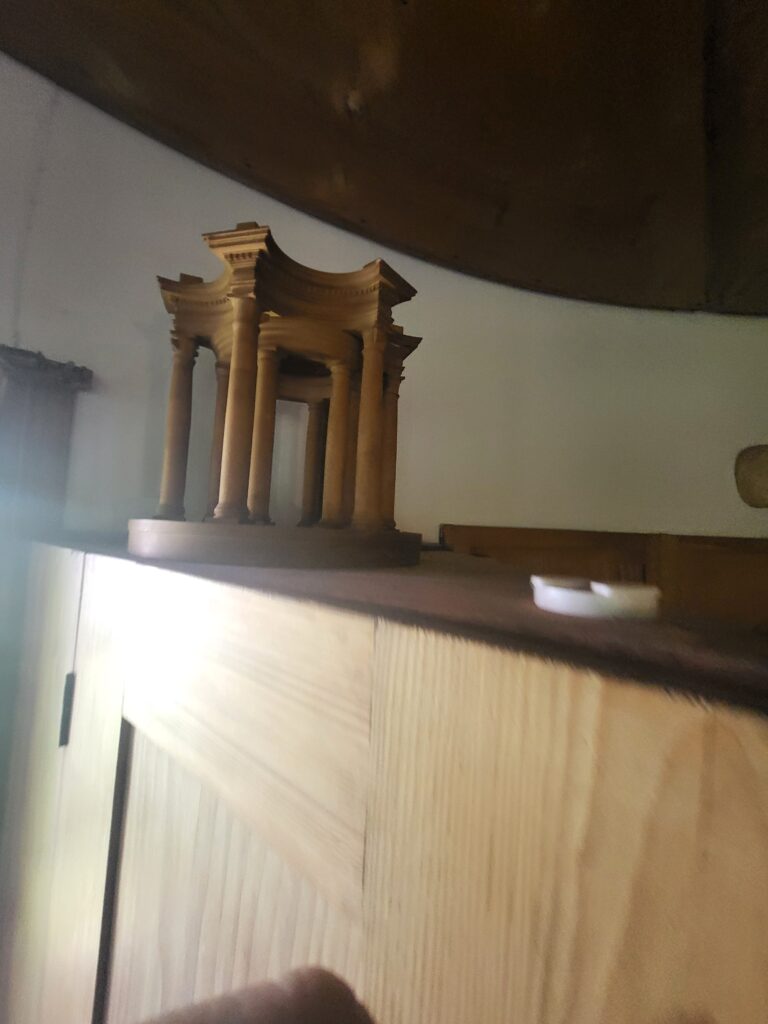
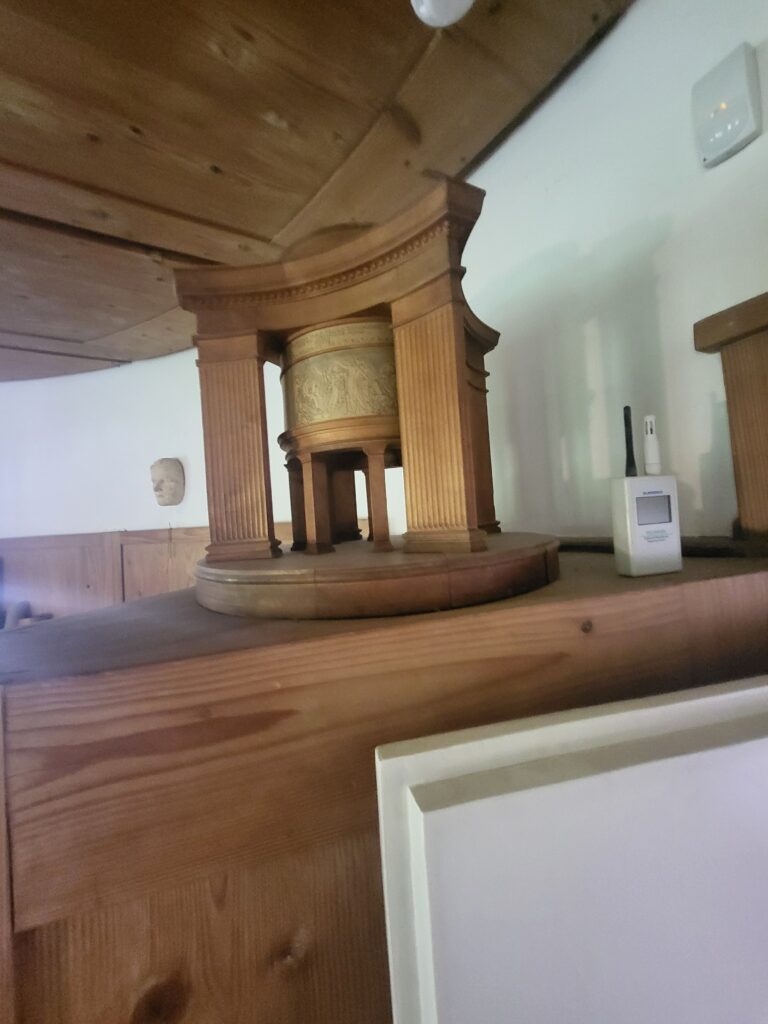
Object highlight:
A wooden model for a mausoleum to Prešeren.
It was never built — too “modern” for Vrba, they said.
But it would have been perfect: Prešeren, Finžgar, and Plečnik — together, in one place.
Like Slovenia in miniature.
Final thought:
You can read all the books, study all the drawings.
But if you want to know the man — the poet of stone, the architect of national identity —
you come here.
And you wait.
I’m just standing in a doorway
Sometimes, heritage isn’t a place or a plaque — it’s a presence. A waiting.
waiting on a friend
Soundtrack: The Rolling Stones – Waiting on a Friend
A smile relieves a heart that grieves…
Because sometimes, to understand a legacy,
you don’t rush.
You don’t analyze.
You just sit.
And wait.
For the silence to speak. And on a friend to tear down the fence.
More Information on Plecnik House Ljubljana
Official website: Plečnikova hiša – Plecnik House Ljubljana
Photos: Matjaž Koman / House Museum Nerd
Text: Matjaž Koman / House Museum Nerd
This post is part of the Ultimate House Museum Guide for Nerds – a personal project exploring the beauty, strangeness and magic of house museums around the world.