
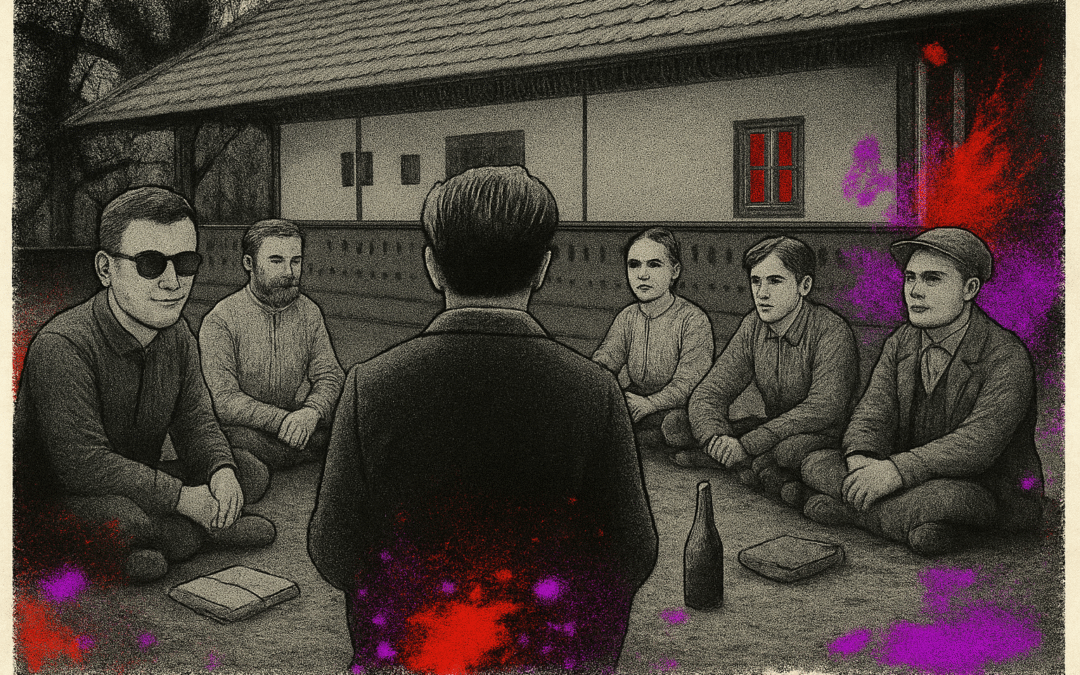
Ivan Cankar Memorial Room, Ljubljana, Slovenia
When skipping work is an act of heritage.
When you’ve spent three straight days trapped under fluorescent lights at a tourist fair in the basement of congress center, and the first chance to escape shows up — you take it.
You don’t think. You just go.
Out into Tivoli Park. Into the sun. Into the trees.
And suddenly, you’re walking toward a hill Rožnik that every Ljubljana local knows. A cliché? Maybe. But a beautiful one.
Up there, nestled next to a small church, is something quieter.
A writer’s refuge. Ivan Cankar Memorial Room.
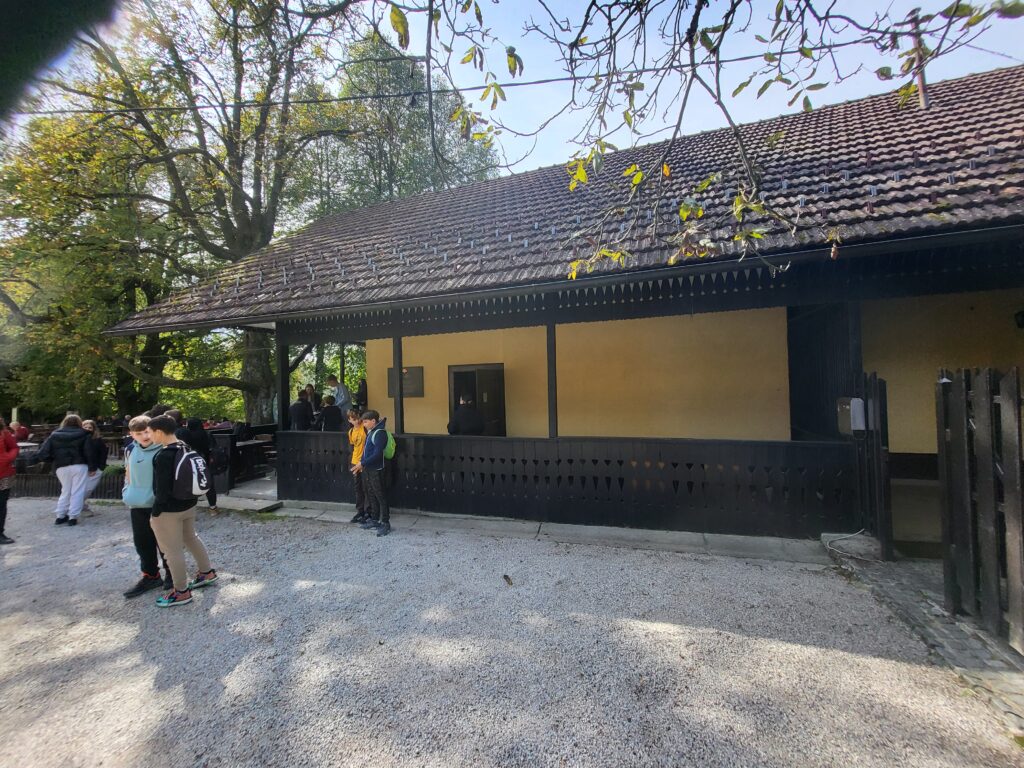
A room that once belonged to Ivan Cankar — the rebel writer, the essayist, the dramatist, the poet.
Slovenia’s literary rock star.
Prone to critique, to beauty, to red wine and dark thoughts.
The kind of writer who still makes you sit up straight.
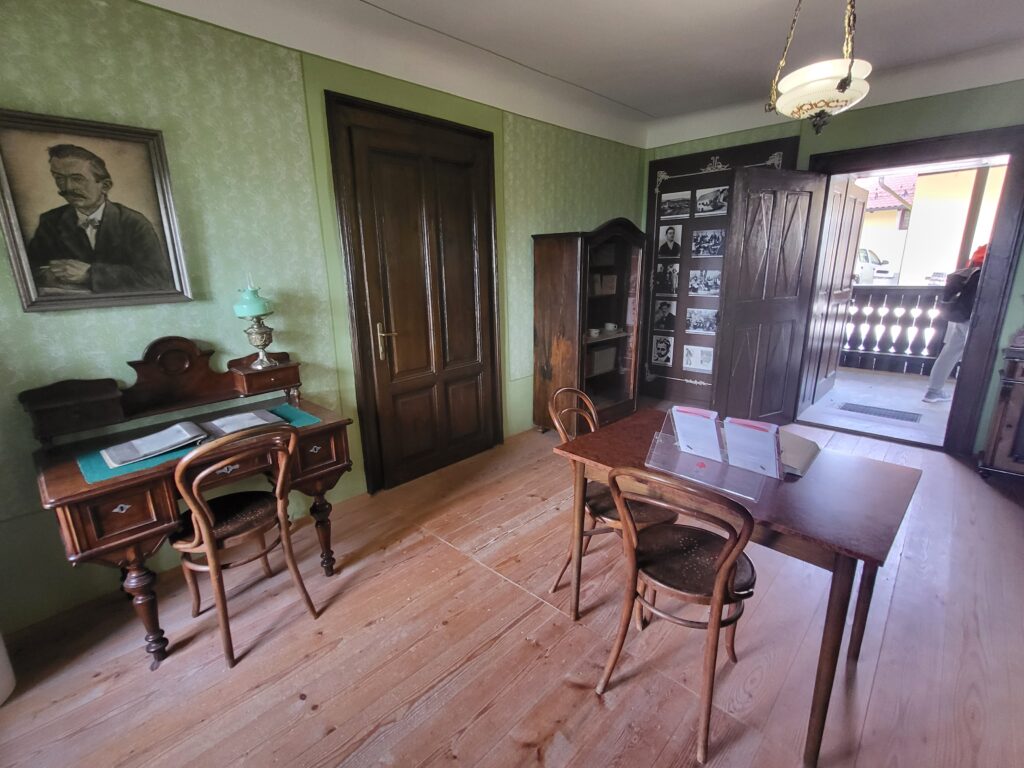
He lived on Rožnik from 1910 to 1917.
Seven years of writing, thinking, and raising hell.
He called it his second home — and it shows.
The room is small.
No lavish furniture. Nothing extravagant.
But the vibe is there.
A desk. A bed. A few books.
Enough to imagine why he stayed.
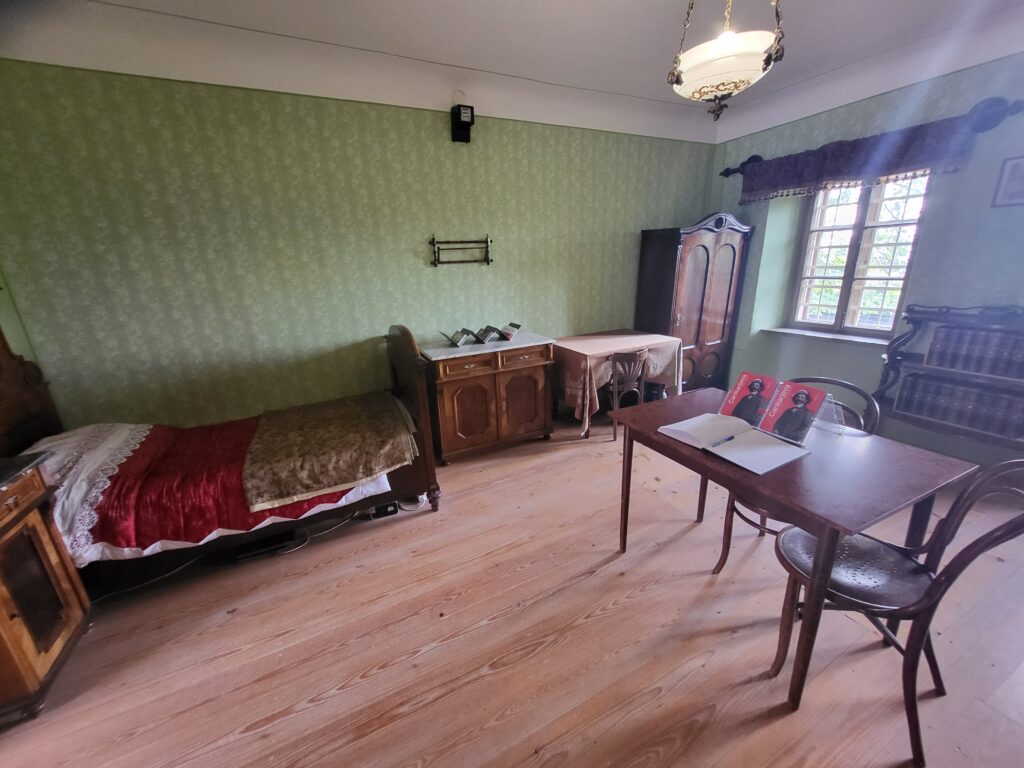
This wasn’t just where he slept.
It’s where he wrote The White Chrysanthemum, and Images from Dreams —
works full of sharp edges, compassion, and haunting beauty.
The war years passed here.
I was lucky. The room is usually locked.
Open only for scheduled groups.
But that day, a school class was visiting.
I peeked in.
A kind museum worker waved me inside.
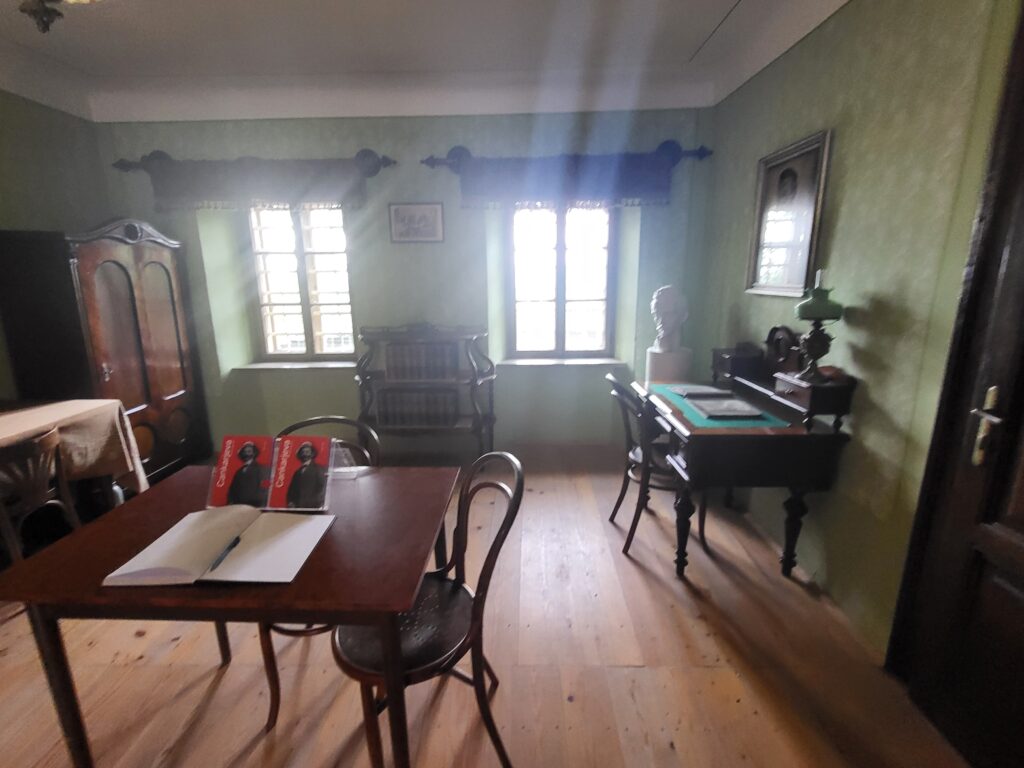
Cankar’s room is modest. But the aura isn’t.
You feel the spirit of a man who didn’t care much for comfort,
but cared a hell of a lot for truth.
He was critical. Charismatic. Often broke. Sometimes drunk.
His words burned through pages — and sometimes through people.
He fought hypocrisy with wit and pen.
His play The Servants was banned for years.
Too sharp. Too honest. Too close.
But Cankar wasn’t alone on Rožnik.
He had guests — fans, young people, fellow artists.
He talked with students. Drank with painters.
Poet Oton Župančič and artist Božidar Jakac even stayed for a while.
Because it was beautiful up here.
And fun.
And inspiring.
Even today, the room feels like a retreat.
Like a place where someone once tried —
really tried —
to understand the world and speak to it.
Final Thought:
We often present our heritage as perfect.
Cleaned-up. Sanitized. Heroic.
But Cankar reminds us — flaws are part of the story.
So are addictions, escapes, rebellions.
Why lie to schoolkids about it?
Isn’t it more powerful to show them real people?
People who failed, doubted, danced, drank —
and still wrote words that moved nations?
That’s what heritage is.
Not worship.
Connection.
Sometimes the best thing you can do…
is ditch your work
and find a rebel on a hill.
Just for a moment.
To share your rebellion with someone who would understand.
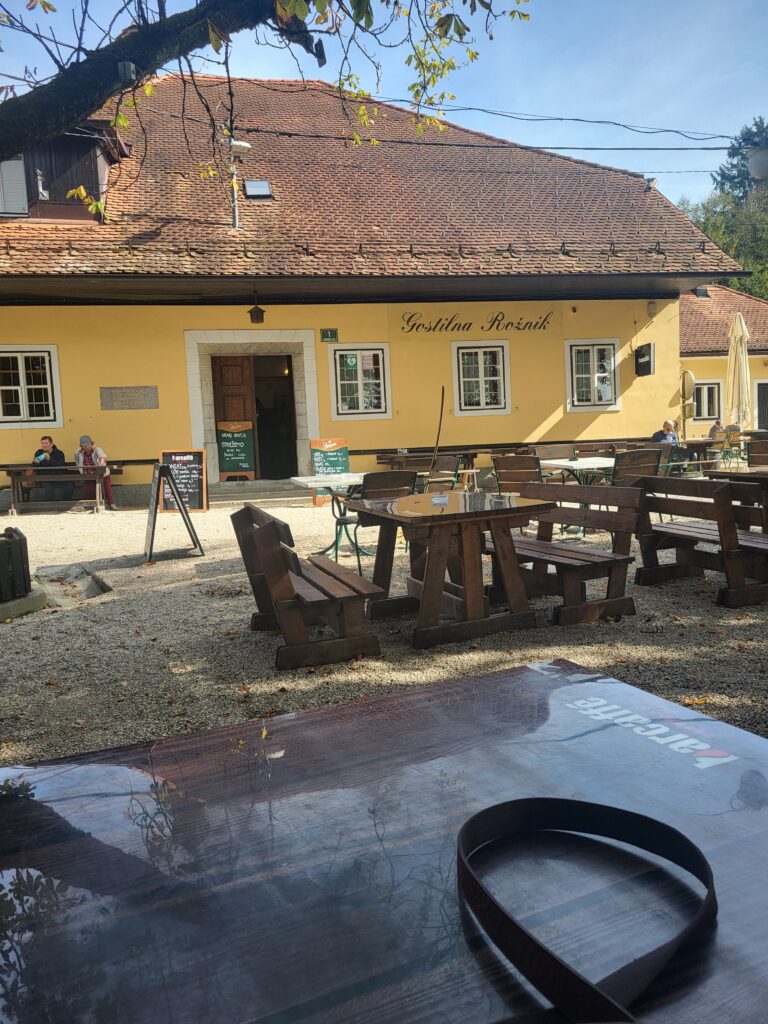
Soundtrack: Uncle Tupelo – Watch Me Fall
Gather around you all
Come around and see
Because a house museum doesn’t fit in a box.
You can’t archive it, hide it, reframe it.
It just stands there — stubborn, full of memory, full of cracks.
You want to hide the flaws? Good luck.
You’ll have to bring them down —
But they’ll make damn sure everyone will watch them fall.
Those who stand tall
Why don’t you please watch me fall
More Information on Ivan Cankar Memorial Room
Official website: Ivan Cankar Memorial Room – Spominska soba pisatelja Ivana Cankarja
Photos: Matjaž Koman / House Museum Nerd
Text: Matjaž Koman / House Museum Nerd
This post is part of the Ultimate House Museum Guide for Nerds – a personal project exploring the beauty, strangeness and magic of house museums around the world.