
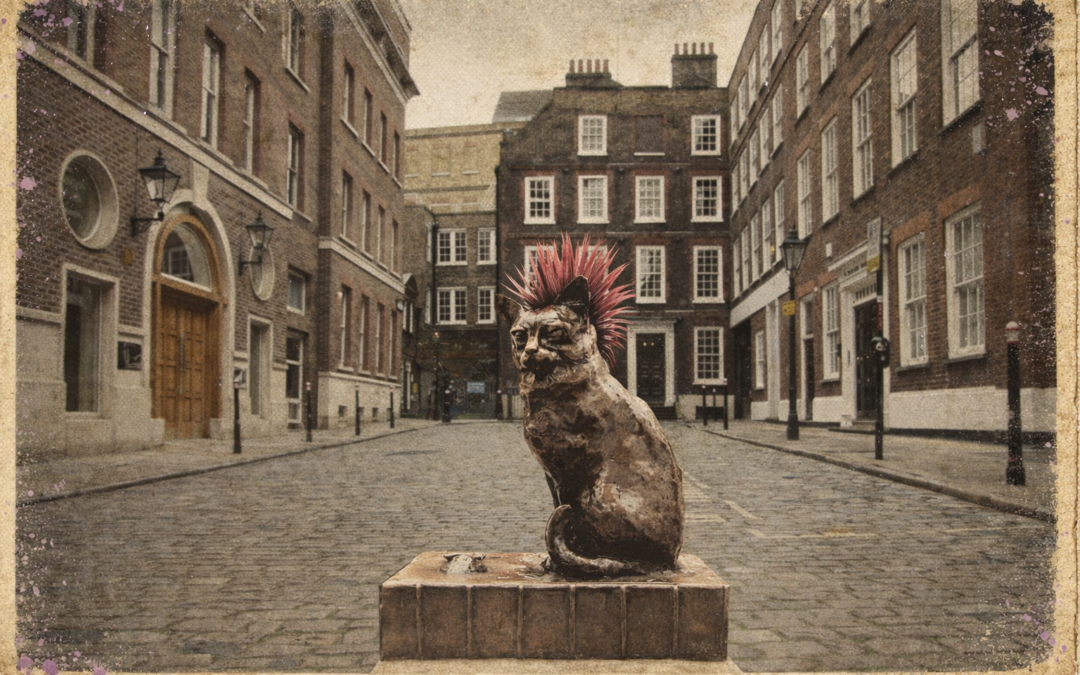
Dr Johnson’s House, London — When Feeding Oysters to a Cat Is a Political Act
Samuel Johnson and the Making of the Dictionary
London is big. Busy. Loud. And if you’re a house museum nerd, it’s also a bit of a treasure hunt.
Keats House, Leighton House, Dennis Severs’ House, Sir John Soane’s Museum…
All brilliant. All full of visitors.
But sometimes you want something smaller.
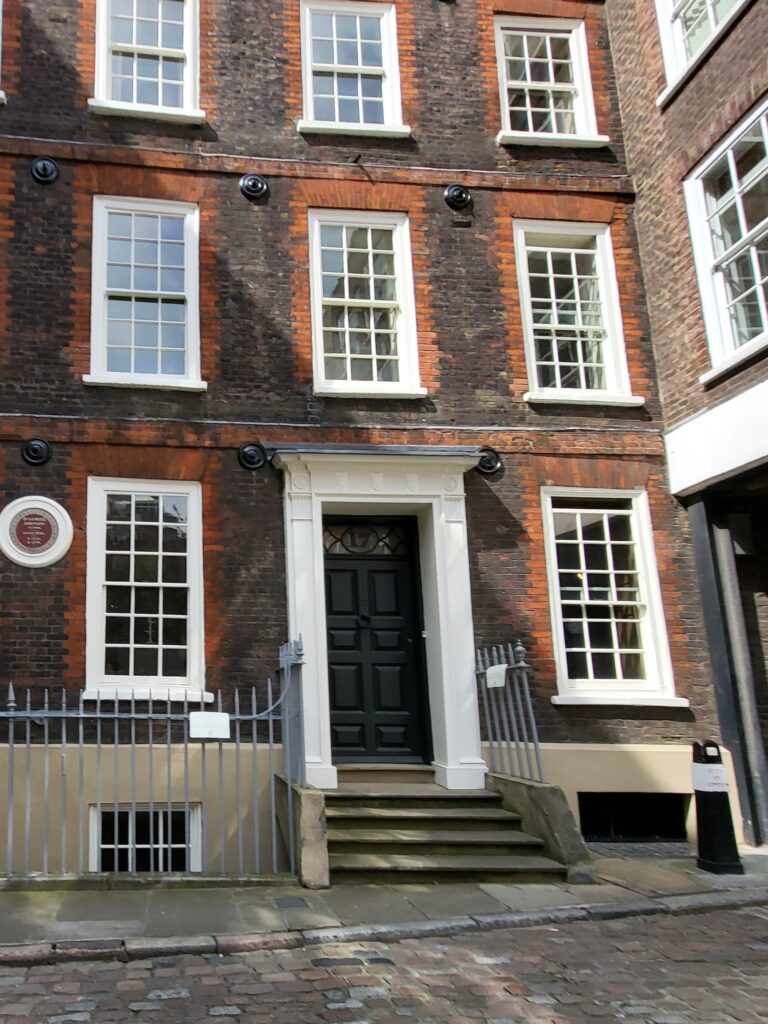
Just off Fleet Street, in a crooked little alley, hides Dr Johnson’s House.
You step inside — and the city noise vanishes.
No lines. No crowds. Just five floors of wood, dust, and legacy.
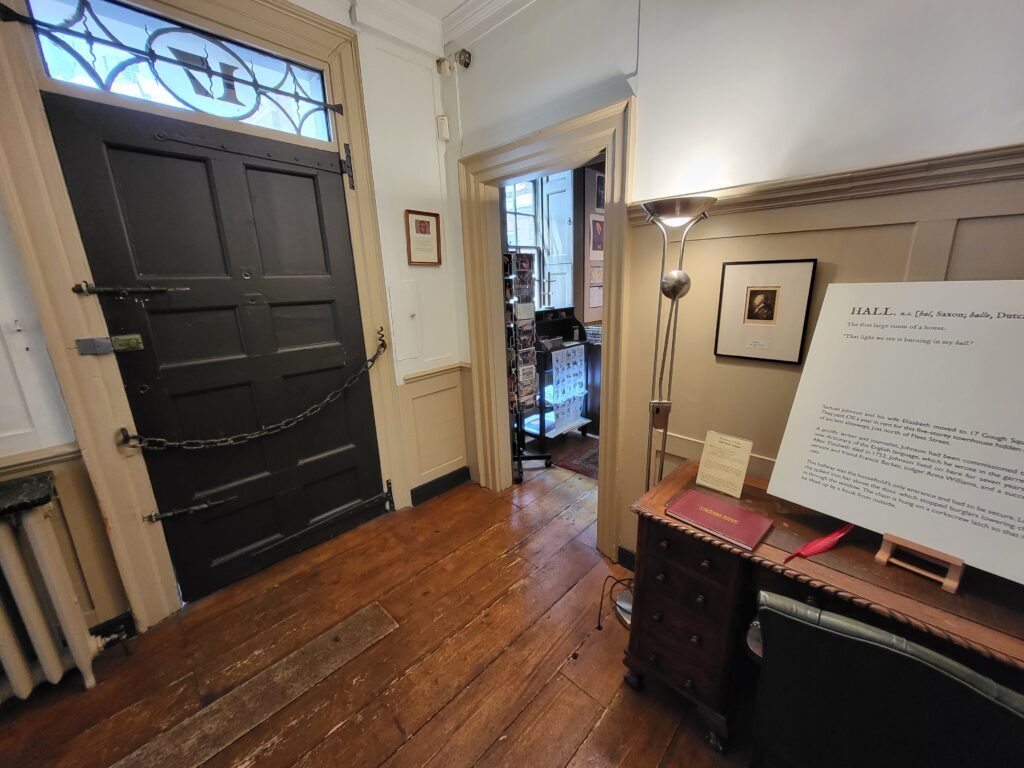
Samuel Johnson lived here from 1748 to 1759.
He was broke, grieving, half-blind, and trying to make sense of the English language.
So he did what all great rebels do:
He made a dictionary.
Not because it was lucrative. It wasn’t.
But because it felt like the right thing to do.
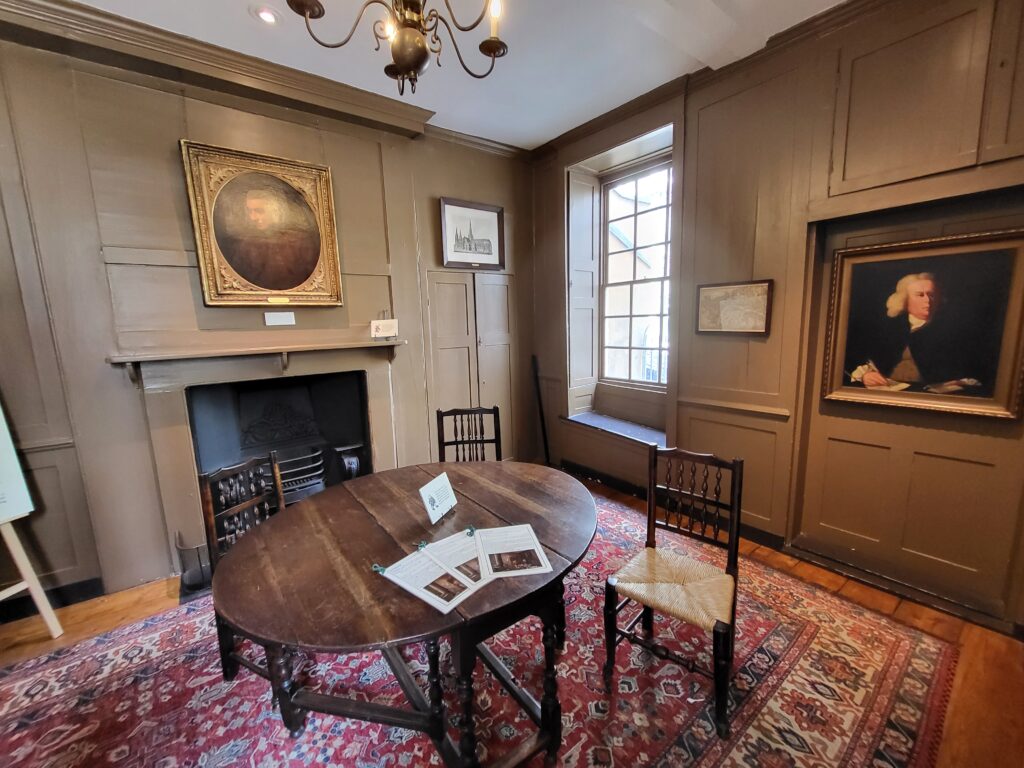
Johnson was eccentric. Stubborn.
A thinker ahead of his time — and maybe even of ours.
He took in people who needed help.
He adopted a Black servant, Francis Barber, and left him his estate.
(Barber’s portrait now hangs silently inside the house — watchful, powerful, present.)
And then there’s Hodge.
The cat.
Johnson’s favorite.
He wouldn’t let his servant buy Hodge’s food — thought it was beneath him.
So he went out himself. Bought oysters.
For a cat.
That small kindness speaks volumes.
About empathy. About dignity.
About the fact that being a decent human being isn’t complicated —
but it does take guts.
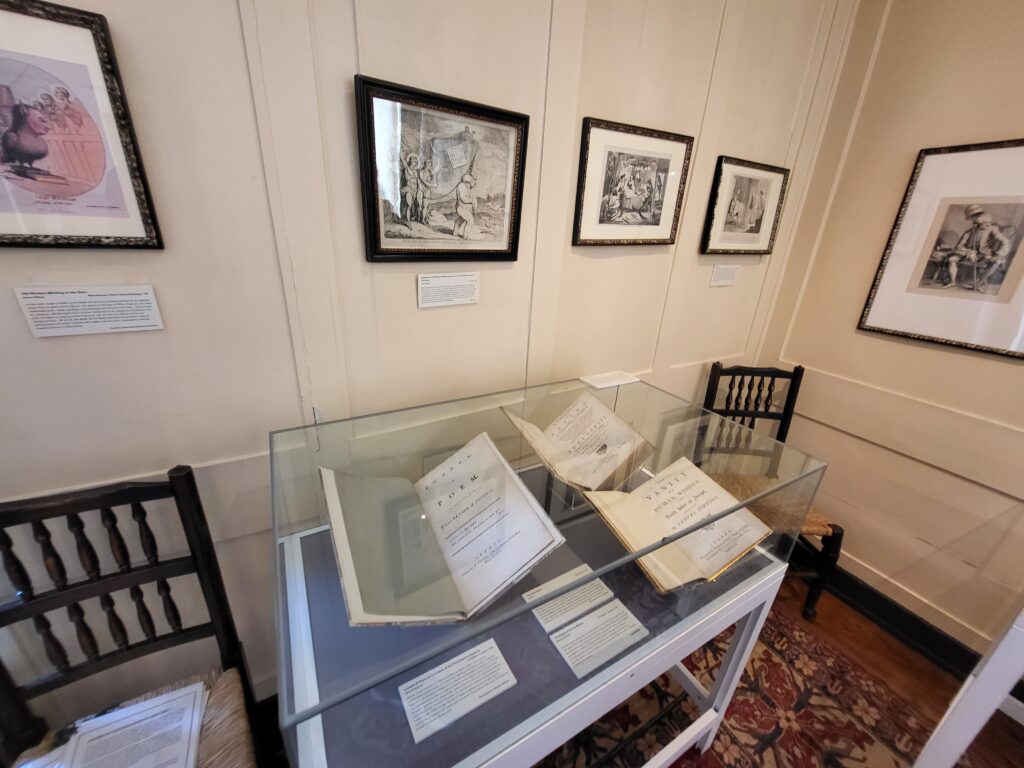
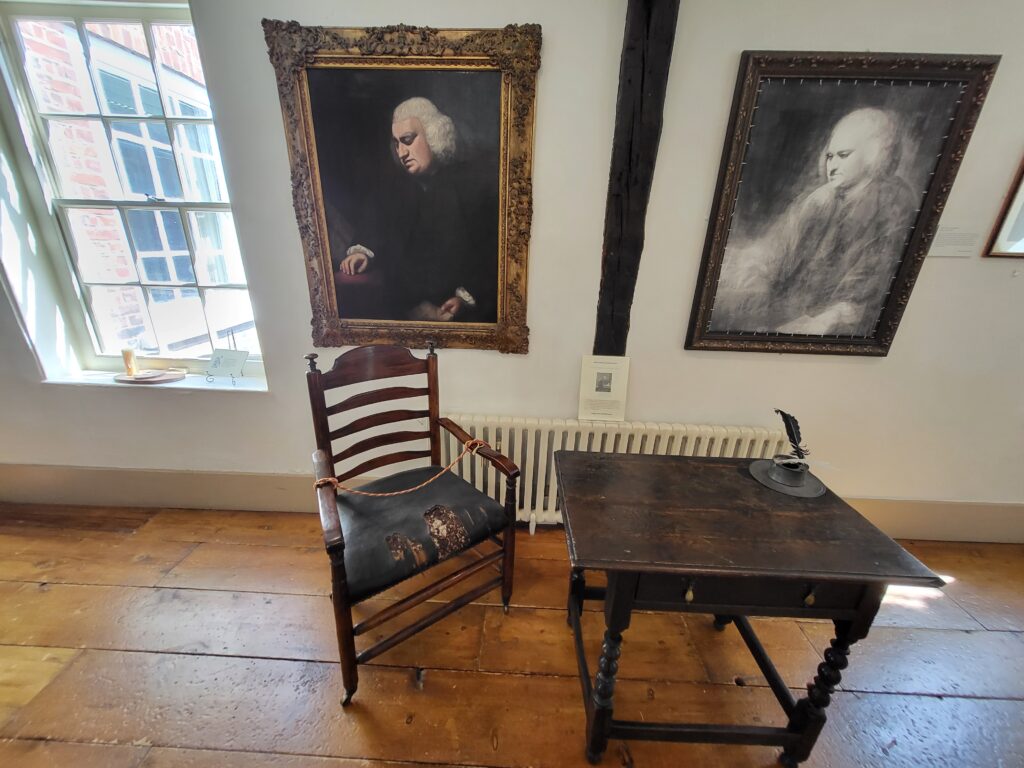
Today, you can visit Johnson’s house and see his books, letters, and study.
But honestly?
The strongest memory might be outside —
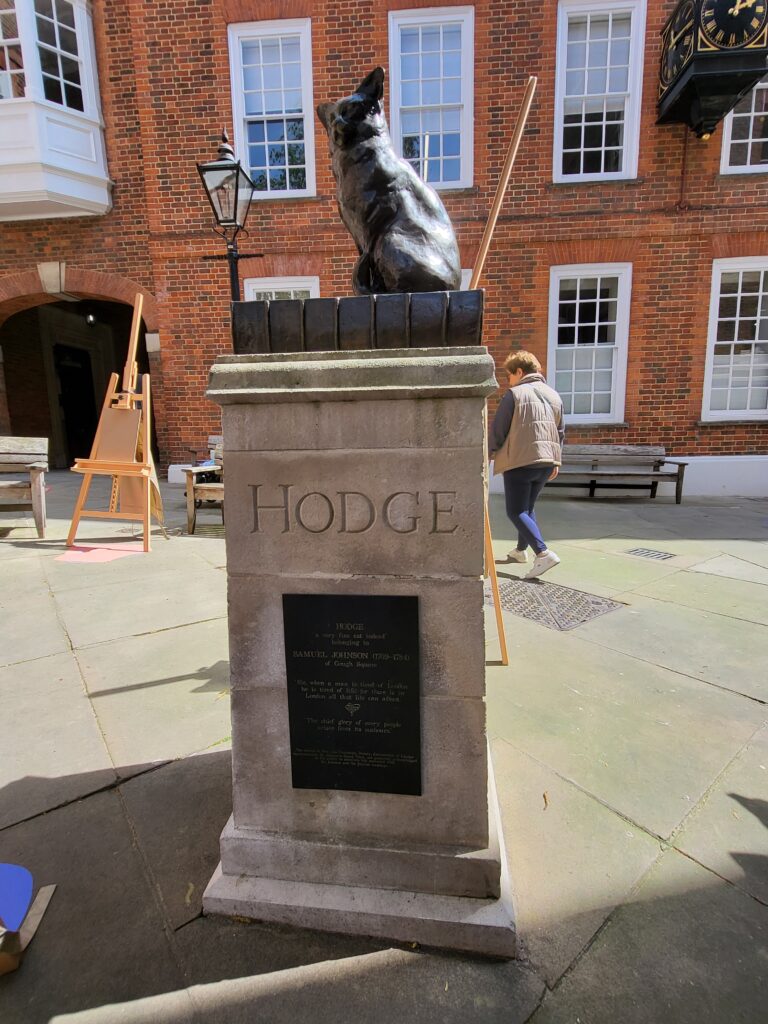
a bronze statue of Hodge, sitting proudly on top of the Dictionary.
With empty oyster shells at his side.
“A very fine cat indeed,” Johnson said.
No arguments here.
Object highlight
Hodge’s statue — because no rebel should go unremembered.
Final thought
This house is more than period furniture and dusty tomes.
It’s a reminder.
That you can live with purpose even when the world thinks you’re odd.
That legacy isn’t about fame — it’s about doing the right thing before it’s fashionable.
That sharing your best with others — even a cat — is a radical act.
You can’t pack this story into a box.
You can only walk in.
Breathe it in.
And maybe leave a coin in the oyster shell.
Soundtrack: Rancid– Honor Is All We Know
Because not every house museum is famous. Or busy.
But if it stands tall with its story —
if it believes in what it is and why it’s there —
that’s more than enough.
Like Dr Johnson’s House reminds us:
Don’t change a goddamn thing you believe in.
Stand tall. Do good.
Friends, allies, visitors — they’ll find you.
More Information about Dr Johnson’s House, London
Official website: Dr Johnson’s House, London
Photos: Matjaž Koman / House Museum Nerd
Text: Matjaž Koman / House Museum Nerd
This post is part of the Ultimate House Museum Guide for Nerds – a personal project exploring the beauty, strangeness and magic of house museums around the world.